Blog

  • Power Failure at Night (oh my!)

    📷 Placeholder — replace with original post image

    After spending a week in Tenacatita we were ready to move on. We had been watching the weather forecasts for an opportunity to go North. The prevailing winds are northerly (from the North) and heading into the impressive Pacific swell can make for a miserable (and probably seasick) passage. With a one-day weather window and 120+ NM to travel, we’d be traveling overnight. If we had decided to stop in one of the anchorages along the way we would have had to spend a week there waiting for the next ‘weather window’ of calm seas and light or southerly winds. So off we went. We left Tenacatita bay Thursday morning with an expected arrival in La Cruz and Banderas Bay the next morning. We didn’t have a buddy boat traveling with us this time but we were confident since we’d been through the area on our way South.

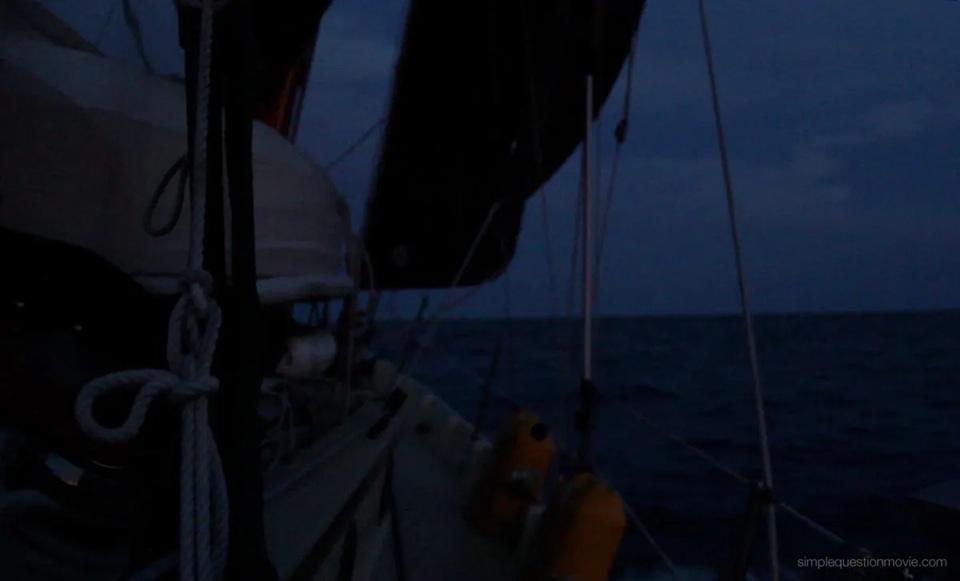
    The main feature of this trip was going to be rounding Cabo Corrientes, the prominent point at the South end of Banderas Bay. Like other capes all around the world, this one makes its own weather. Wind maps may not give good information, thermal effects may dominate the local winds and Cabo Corrientes is a good spot to get an ass-kicking in a boat. Night crossings are sometimes favored here because the wind is typically lighter. The guide book recommends staying 5 NM off the coast if the wind is blowing. This seems to me to be especially good advice at night. Moonrise (a tiny sliver of moon) wouldn’t happen until almost 0400 in the morning. This would be a very dark passage. At about 2130 we were 3 NM from shore and a few miles South of Ipala. I (Kevin) was just laying down for a nap so I could take a 0100 watch to round Cabo Corrientes. The boat was set on auto-pilot and Bev was on watch. Just before I closed my eyes I was looking at the stars outside the canopy. As I watched the stars move past the bimini I suddenly realized that the stars shouldn’t be moving past the bimini the boat must be turning. I sat up and called out to Bev that I thought the boat was turning. We both hurried to the helm to check the charts just as EVERYTHING shut off and went dark. No nav displays, no radar, no auto-pilot, no navigation lights, no refrigeration, no salon lights — NOTHING. Somehow we’d had a MAJOR power failure and we were in total darkness. The engine was running (thank goodness!). But where were we headed? When the auto-pilot turns off the boat immediately started sailing in circles. I (Bev) grabbed the wheel – turned the boat, then became disoriented until Kevin instructed me to keep the shore to the starboard side! We’re going mostly North! What’s the compass heading? The light on the compass is out -we need a flashlight! A few moments of frantic activity to get straightened out and at least we weren’t headed towards some big rocks or shore.

    Bev took the helm and did a fantastic job of hand steering with navigation from my cell phone (44% charged with a half discharged back-up battery) while I went below to troubleshoot. I (Bev) felt like I was starting to panic! I had a vision of hitting huge rocks, would we be blown into shore, do we need help from the Mexican Navy, at what point do we abandon ship and deploy the life raft? I knew I had to keep it together so that I could steer while Kevin figured out what happened. It was so dark and occasionally Kevin would need his phone to troubleshoot and then I was navigating by watching the distant lights on the shore. At one point he shut down the master switch which killed the engine. Now I’m really frightened! We’re bobbing around with no lights on in the Pacific Ocean. We can’t see anything and nobody can see us!

    I (Kevin) replaced every spade fuse on the boat with no results, there were no circuit breakers tripped but my battery manager was reporting a short-circuit alarm and refusing to turn back on even though the batteries were fine. I was finally able to trace the problem to a failed 250A fuse on the battery manager (short circuit protection). I verified that there was indeed no short circuit and replaced the fuse. FINALLY after about two hours power was back on!

    We proceeded on our journey and arrived safely in La Cruz a few hours behind schedule the next morning.

    Always have a backup Nav system! We had my phone. Usually we have a tablet too but the battery blew up from exposure to intense heat earlier this year and we haven’t replaced it yet. Know where ALL the failure points in an electrical system are and be prepared to fix them with the correct easily located fuses – in the dark with a headlamp. Speaking of headlamps, always have one nearby at night. The first thing that will happen in an emergency will be that the lights will go out. Be prepared, know what the emergency procedures are. Be prepared to execute them in the dark.
  • Raicilla Distillery in Tenacatita

    📷 Placeholder — replace with original post image

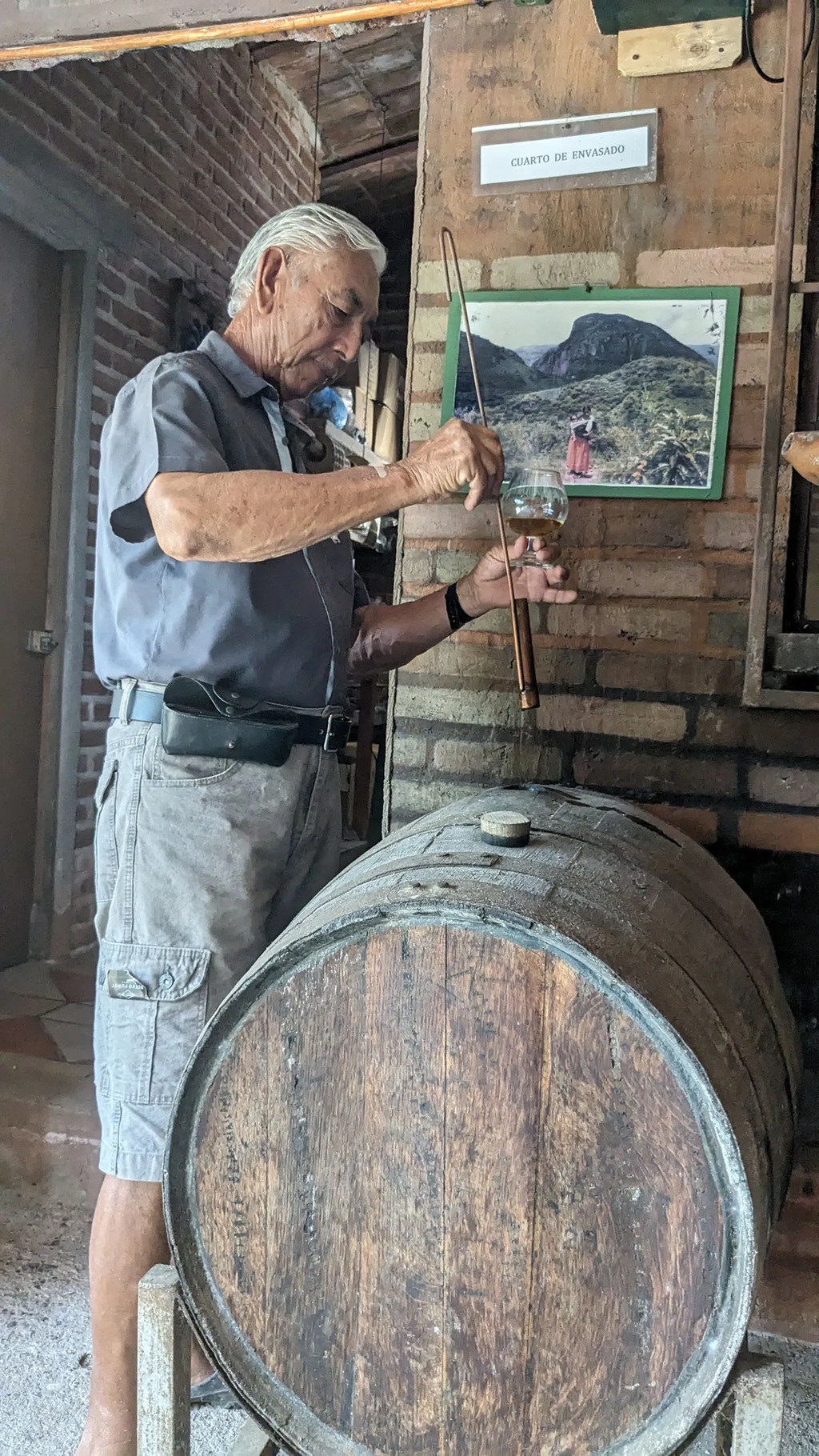
    We have been here in Tenacatita for almost a week and heard from other cruisers if you contact a guy named Pancho (pictured here) he will drive you to a Raicilla distillery and give you a tour.

    Raicilla is a distilled spirit originating in the south western part of the Mexican state of Jalisco. Like tequila and mezcal, it is a product of the agave plant. It’s made by the indigenous people of Mexico.

    We contacted Pancho and he arranged to pick us up but, first we had to take our dinghy through the jungle estuary. That meant getting our dinghy through the surf onto the beach and because the tide was so low we had to then roll it to the estuary a short distance away.

    We launched the dinghy in the estuary but had to be careful once we began our 45 minute journey because some areas were so shallow. A couple times at the mouth of the estuary Kevin had to jump out and drag the dinghy to deeper water. I was on watch for crocs! With many twists and turns and avoiding the tree branches because of the low tide, we made our way to the meeting spot. We drug the dinghy up onshore and tied it to a tree.

    Pancho arrived in his old pick up with a canvas top and benches in the back. He knows very little English so we used Google Translator and a lot of pointing and hand gestures. He motioned for us to hop in the back of the truck and off we went. I commented to Kevin I hadn’t ridden in the back of a truck on a road since I was a kid!

    Raicilla has a long history in Mexico as does Tequila. Each region of Mexico has its own name for distilled Agave liquor, After European colonization most of it was illegal to give European distilleries an economic advantage. Like the wine regions of France different varieties of Agave from different elevations and climates impart different characters to connoisseur’s pallet. Ageing in oak adds still more flavor and smooths the sharp edges of the liquor. Regardless of the legalities of Raicilla, Mescal and Tequilla it never stopped being produced in indigenous communities and now the Mexican government encourages craft distilleries and has rules in place to keep the production local using traditional methods. Raicilla has changed from “Mexican moonshine” to a craft Agave liquor. Since the gold Raicilla is aged in oak barrels, and they are very expensive, this distillery buys used barrels from Jose Cuervo. The silver Raicilla is aged in a stainless steel tank.

    Pancho is the chairman of the Raicilla council certifying purity and craft production and can set up multi-day tours of the local villages and production of craft Raicilla in the area. We’re adding that to our agenda for next year!

  • La Manzanilla

    📷 Placeholder — replace with original post image

    La Manzanilla is a village located in the southeastern corner of the Bay of Tenacatita, on the southwestern mainland of Mexico. We decided one morning to pull up anchor and motor two and a half miles across the bay to spend the day exploring and checking out the crocodile sanctuary.

    On the way over we noticed some patches of red tide. Red tide is harmful algae blooms that occur when microscopic algae multiply to higher-than-normal concentrations, often discoloring the water red. Red tide blooms can last days, weeks or months, and can also change daily due to wind conditions and ocean currents.

    As we approached the shore there were large waves breaking onto the shore and the beach appeared to be steep. These coastal changes are caused by hurricanes which causes beach erosion. We decided to abort our plan and go back and anchor Island Summers in Tenacatita Bay and see if we can find a ride over to La Manzanilla. A woman working at the palapa kindly helped us call a cab. It took awhile for it to get here but it finally arrived. It was a 23.6 km (14.6 mi) ride on a dusty cobblestone road. Up, over and through the hills to La Manzanilla we go.

    La Manzanilla was getting ready for Easter and like every event in Mexico that is cause for a big fiesta (Fiesta Grande). The cab dropped us off near a street taco place so that was the first stop. Five tacos for 100 pesos ($6.08). Perfect. We walked down the main street past lots of tiendas and souvenir shops. La Manzanilla is reasonably close to Barra de Navidad and Manzanillo which has an international airport. We walked past lots of real estate offices. We walked to the Cocodillario (crocodile preserve) and immediately saw that Riley was not allowed in. Darn! He would probably have looked like a snack to the crocs. Bev and Riley waited and Kevin walked the twenty minute elevated path through the preserve. Strangely enough most of the crocs (and there were some huge crocs…) were near the fence next to town. I was trying to guess the reason: Here are my top guesses:

    2. The crocs have been around for 95 million years. Fences don’t last nearly that long, if they’re patient dinner awaits.

    Since Bev and Riley couldn’t go in the croc preserve they got the ‘just outside the fence’ tour. The crocs pretended not to notice but I’m sure they were just waiting…. After spending quality time with the crocs we crossed the street to the beach.

    Many of the beach side palapa restaurants we see have had few patrons for one reason or another. Not today. La Manzanilla playa was FULL. Vendors were selling mangos on a stick, floaties, beach umbrellas, jewelry and all kinds of trinkets. Kids were playing in the surf, they were burying their friends in the sand, holes were being dug on the beach, and drinks, shrimp and tacos were being consumed!

    As we walked down the beach we watched the surf that we’d been considering executing a dinghy landing through. It did NOT look promising. From the safety of a palapa restaurant with some cerveza and guacamole we timed the waves and wondered if we’d ‘land it’ or ‘flip it’. It looked like we might stand a decent chance of landing the dinghy on the beach (maybe!!) but getting back out through the surf would be a whole different deal.

    We’d have to time the breakers and guess if there would be a lull; aim the dinghy on it’s wheels out into the surf; start the engine _before_ we attempted to launch; then absolutely commit; and then try and get the dinghy past the point where the surf was breaking _before_ the next breaking wave. The only thing I’m certain of here is that everyone on the beach would have enjoyed watching. The taxi was much less stressful.

  • Zihuatanejo El Carnaval (AKA Mardi Gras)

    📷 Placeholder — replace with original post image

    It didn’t take us long to notice that there are a lot of parties in Mexico. We noticed the first night we got to La Paz last November and the pace has never really changed. Mexico has parties and celebrations ALL the time. Zihuatanejo is no exception. The week before we got there was Sail-Fest, then International Guitar Fest., which we attended. The week after Guitar Fest was Carnival (Carnaval in Spanish). That leads up to holy week (the week before Easter).

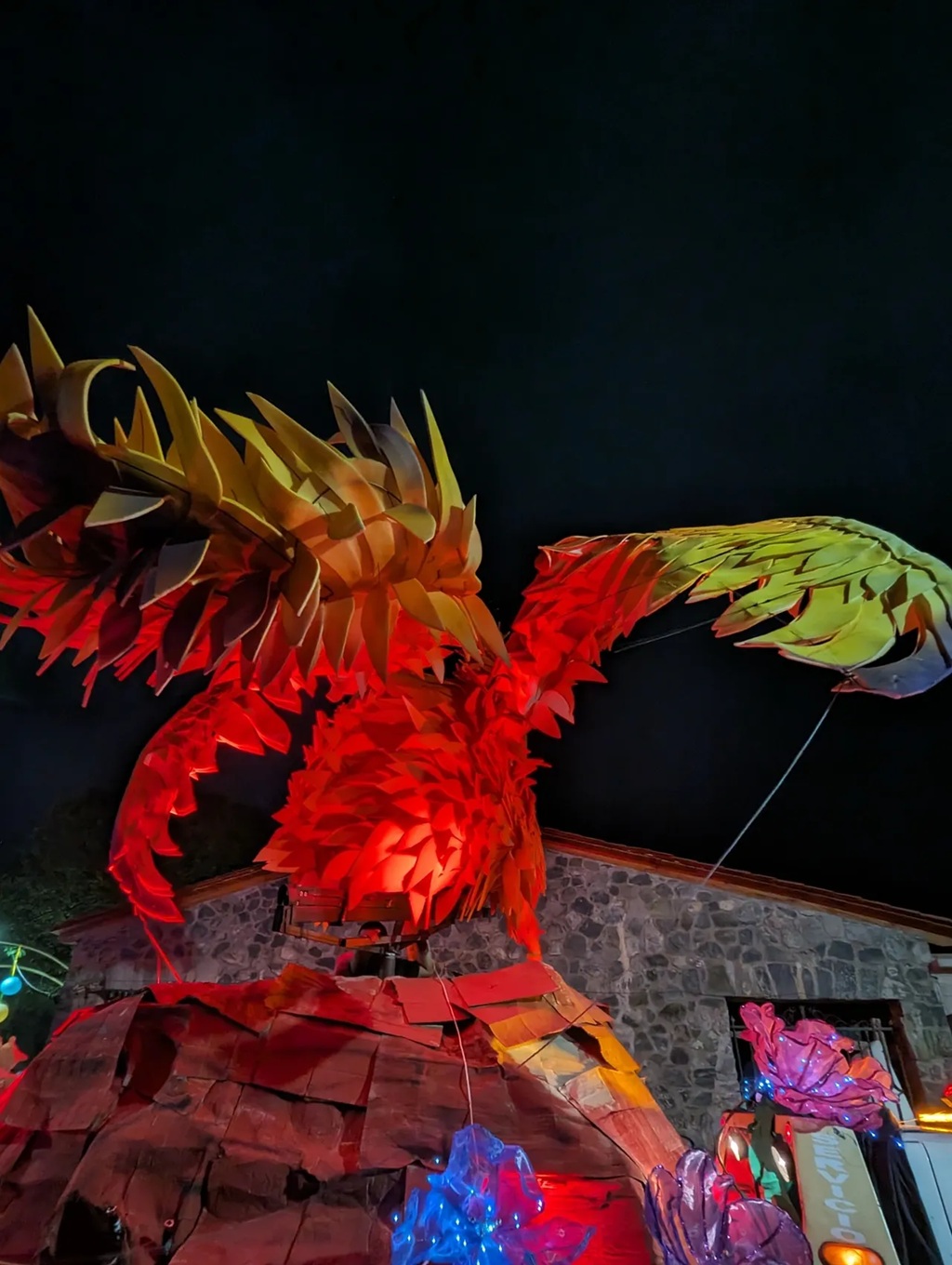
    Carnaval starts with a beauty pageant to crown Miss Zihuatanejo and a King of Joy. The beauty pageant had lots of yelling and music that we could hear on our boat! This year’s Carnaval theme was Craturas Fantastico (fantastic creatures) so some of the murals around town were repainted to have dragons and krakens on them and there was a big sea serpent sculpture in the town central traffic circle. There were dragon heads decorating the Malecón near the beach. There’s Mexican street food, light-up trinkets to wear on your head, live music, Mardi Gras beads, and a “la quema del mal humor” (burning of the bad mood), a symbolic “out with the old, in with the new.” An effigy is torched to start off the six-day program.

    At the end of the week there was a parade of large floats featuring (you guessed it) Fantastic Creatures. Activities, including this parade, start late in the evening and last into the night. Each float was accompanied by a dance troupe that stopped and did a performance at several points along the parade route. The parade was long and there were lots of tired little kids that got to stay up late and watch it.

    As the week came to a close we began to plan our exit from the bay. Time to leave this magical place called Zihuatanejo after anchoring here for 2 weeks. There was some bottom cleaning to take care of (imagine cleaning your gutters underwater while holding your breath but every few weeks instead of once a year). Yuk! We scheduled our departure for 0230 on Tuesday morning after Carnaval for a 190 NM non-stop trip back to Las Hadas. This would be the beginning of our trip back North and a symbolic conclusion of going to brand new places this year.

    We reached nearly 17 degrees latitude this cruising season. Hundreds of miles further than we’ve ever been and considering we started at 47 degrees latitude we feel like we’ve gone a long way. We also had to part with new friends along the way. This is always bittersweet because you don’t know when you will cross paths again. Some of us were continuing South and others taking up different schedules to get back North. By the time we left Zihuatanejo, the harbor had gone from crowded to mostly empty as boat after boat departed and cruisers waving good-bye!

    We are now hanging out in Tenacatita waiting for our next weather window so we can continue working our way North. This is not a bad place to be stuck 🙂

  • Zihuatanejo

    📷 Placeholder — replace with original post image

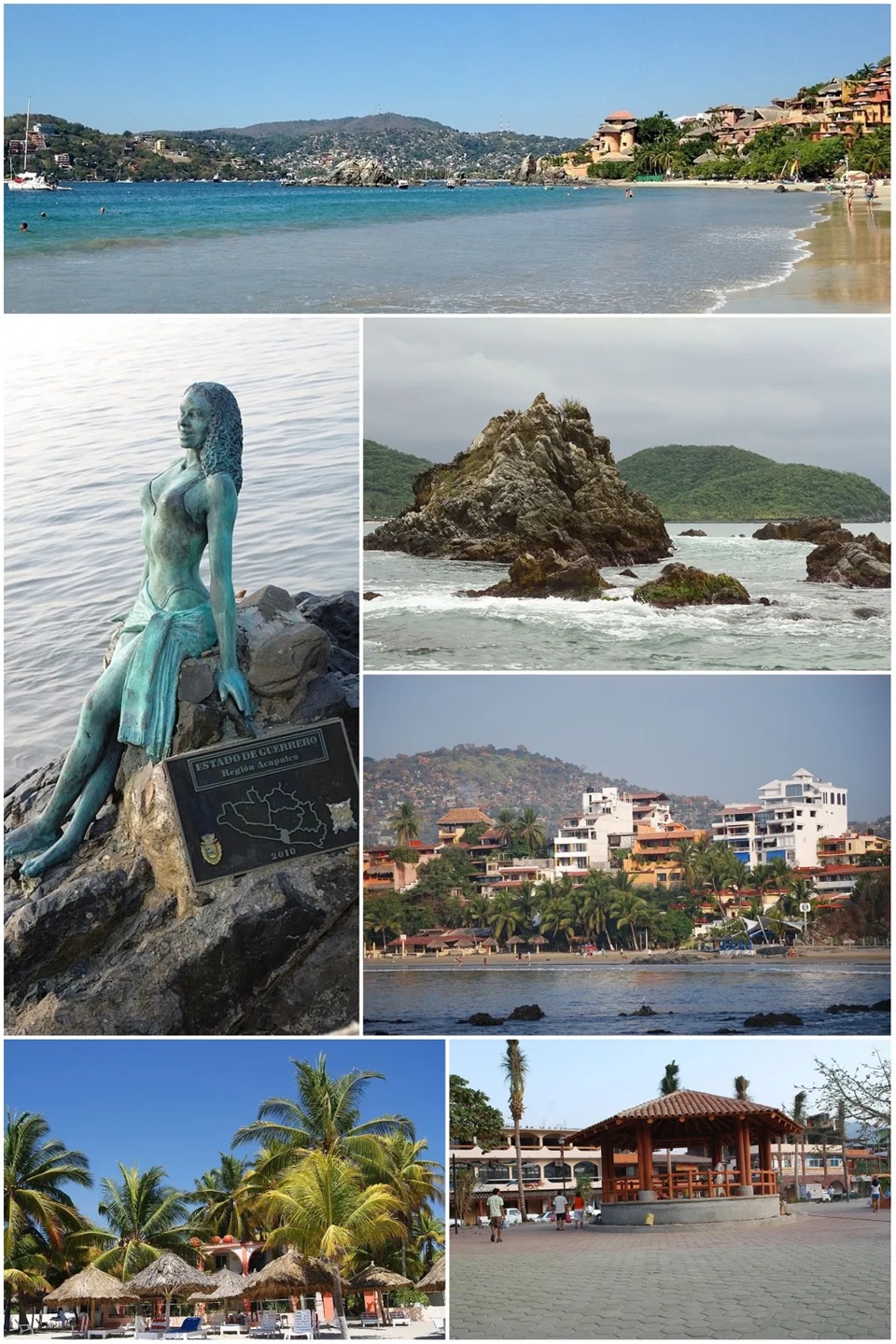
    When we move to a new anchorage we never know what to expect. Zihuatanejo (Zihua) is no different. Zihua is a resort city on Mexico’s Pacific Coast, northwest of Acapulco. It’s known for its beaches, like the sweeping Playa La Ropa, which is backed by palm trees. Galleries and seafood restaurants line the city’s winding lanes. We’d come here to attend The 20th Annual Zihuatanejo International Guitar Festival with fellow cruisers. We anchored in a fairly crowded harbor with lots of water taxis zooming around, and a large number of sailboats. From the moment we arrived Zihua has been a nice surprise. There’s a beautiful malecón with good restaurants, fun bar, interesting Mexican shops and friendly people.

    Zihua is a reasonably big city so there are services available that are often hard to find. This is welcome security for cruisers who (like us) are often cruising with one or more things broken on the boat. There are beautiful beaches in Zihua and the dinghy landing beach near the public pier is unique. It’s a reasonably protected beach for dinghy landing with the lowest surf in the bay. Often Mateo is standing at the beach to assist hauling dinghies up the beach to a ‘parking area’ for a tip and even washes the sand off the girls’ feet. Often there was a bucket of water ready to rinse off your feet after the trip through the sand with wet feet. This is helpful with a dinghy that may have several people in it and all the other things that it gets used for (laundry, groceries, dogs, gas jugs, etc.).

    When we came back late at night to pick up the dinghy from the beach to go back to the boat, someone was often still there waiting to help get the dinghy back out through the surf line. Although we have occasionally heard of petty theft from dinghies and boats and theft of dinghy or motors elsewhere in Mexico we saw absolutely no sign of this in Zihua. In fact, here many cruisers left their dinghies tied to their boat floating overnight. This would have been a very risky strategy in other places (like La Cruz de Huanacaxtle near Puerto Vallarta).

    Along with Rob and Dawn from SV Salt Whistle, we were scheduled to meet friends from SV Felicita (Tim and Gretchen https://gntsailing.com/ ) and attend the opening concert on the pier featuring all the artists attending the guitar festival. This gives everyone a chance to sample the different music styles and decide who you’d like to hear more of when they are featured at one of the nightly ‘gala dinners’. Practically, we needed reservations for the venues, so we had some pre-planned events to go to. We spent the eight days of guitar fest hearing some fantastic guitar music and eating great food. By the end of the week we were overloaded on guitar and dining out. We’d heard some excellent guitar music from up and coming and established artists. Since we can’t possibly do a satisfactory description of all the acts that we saw, we’ll just provide a link to the event. https://www.zihuafest.com/program/ During the day we explored Zihua. There are lots of shops and restaurants around town from very authentic Mexican, to American style hamburgers and pasta made by Italian expats. One of our favorite spots is a microscopic bar on the corner of calle Vincente Guerrero and calle Nicholas Bravo. No matter when we walked by there was a crowd and a cold Corona available, and an EXCELLENT chance of running into someone that we knew there. Shopping ranged from the Mercado Centro, a very traditional market with everything available to a Soriana, a very western style supermercado (supermarket). During our stay we received news that a sailing vessel we have shared anchorages with (but don’t know directly) was lost during a bar crossing in Bahia del Sol in El Salvador. Happily there was no loss of life, unhappily a cruising vessel was a total loss. Here’s a link to a discussion about SV Rum Truffle https://www.trawlerforum.com/forums/s36/loss-sv-rum-truffle-bahia-del-sol-bar-el-salvador-71359.html. Our thoughts are with Mark, the skipper of SV Rum Truffle and we’re reminded that this activity we pursue is not without risks.

    We will plan to leave Zihua soon. As we always say, “our plans are written in the sand at low tide!”

  • Ixtapa

    📷 Placeholder — replace with original post image

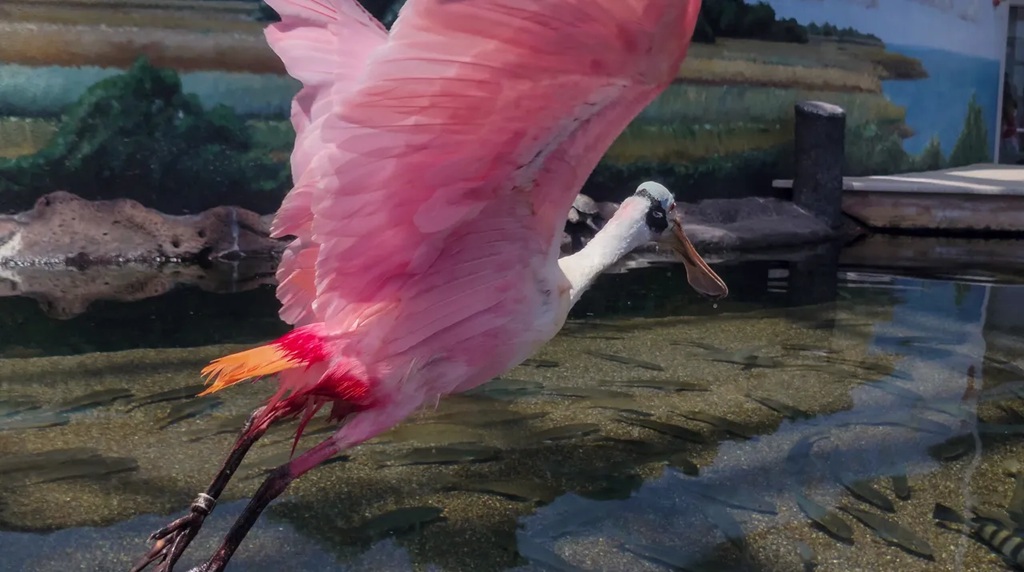
    Ixtapa and Zihuatanejo are sister cities on the southern Mexico coast. From here cruisers are within striking distance of the Guatemala border and Central America. That’s not in our plans this year but maybe someday…. We anchored at the beautiful Isla Ixtapa in a spot that was protected from the Pacific swell. After we awoke after our 32 hour passage nap from Manzanillo we, along with our buddy boat S/V Salt Whistle (Rob & Dawn), began to explore the area. The guide book pointed us to the many palapa restaurants on Isla Ixtapa. There is a constant flow of water taxis back and forth from the mainland beaches and pier at Ixtapa to Isla Ixtapa. At 5:30pm all of that abruptly shuts down and the restaurants close up. We took the dinghy to the island and walked around and had some of the excellent coconut shrimp that is available EVERYWHERE we go. In the evening tiny deer, rabbits and squirrels began to inhabit the spaces between the restaurant tables in anticipation of having the whole thing to themselves for the evening. The next day we flagged down a water taxi and got a ride to the mainland for a walking and combi tour of Ixtapa. One of the things we wanted to see was the crocodile preserve located near the bus/combi stop just off the water taxi pier. Kevin had already taken a look at the cyclone fence immediately off the fishing panga beach while taking Riley ashore and saw several crocs just on the other side of the fence 🙁 We walked over to the preserve viewing area and saw turtles, lots of crocs, and numerous birds and iguanas. A particularly beautiful bird is the roseate spoonbill (pictured above). They were busy nesting and raising chicks just above the crocs. The flamboyant Roseate Spoonbill looks like it came straight out of a Dr. Seuss book with its bright pink feathers, red eye staring out from a partly bald head. They get their beautiful pink color from eating shrimp. We continued to look around and walked across the bridge over the croc preserve and saw a trail down into the trees and more crocs. This is where you could go walk right up to the crocs and feed the if you wanted because there was no fencing. Maybe it’s the petting zoo part of the croc preserve! I’m always struck by how fenced off may parts of the US are as if to protect the dumbest of us from our own dumbness. Not so in Mexico. If you’d like to pet crocodiles in Mexico you are absolutely free to do so. I find that oddly refreshing. The next day the wind changed direction and sent swells into the anchorage we were at for one of the rockiest and least sleep-filled nights we’ve had in two years. Time to leave here and sail to Zihuatanejo for the International Guitar Festival.

  • Sailing to Las Hadas

    📷 Placeholder — replace with original post image

    We left our Marina slip in Barra de Navidad at 6:00am dodging pangas fishing in the channel into the harbor as we left. Barra was a fun spot to be and we’re sorry to be leaving friends and a fun place. It seems as we head from one beautiful beach to another. As we sail South we notice the water is getting warmer and clearer.

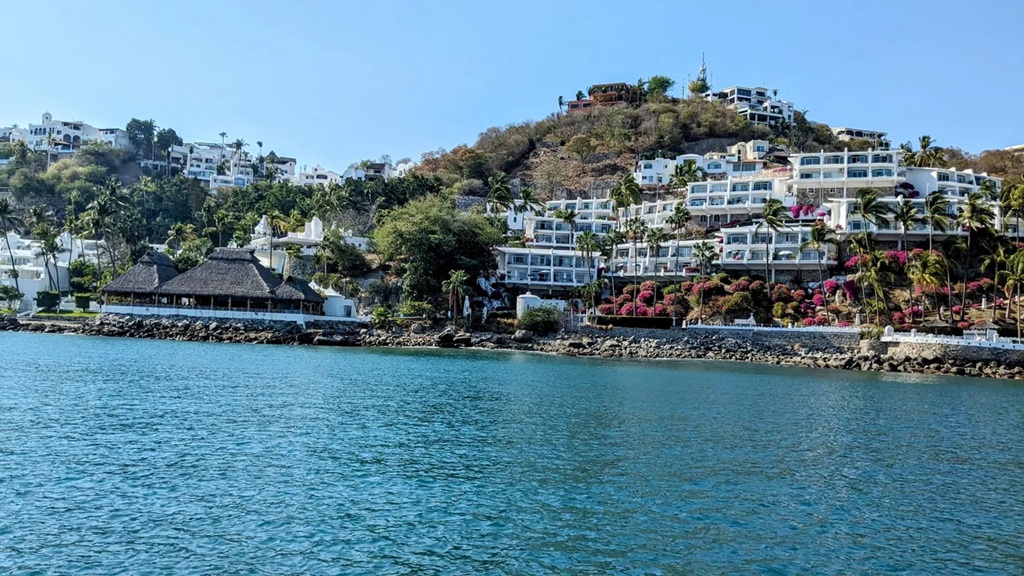
    We’re headed to an anchorage right in the heart of Manzanillo at Las Hadas, to meet SV Salt Whistle with Rob and Dawn to buddy boat to our next port. To get to the anchorage we have to weave between container and cargo ships at anchor. We only have the opportunity to spend the evening and overnight but it’s a beautiful spot. White buildings and towers working up the hillside with cute shops and a small marina. There was a nice restaurant near the marina that we decided to have dinner at and enjoyed a multicultural Asian fusion menu (nice break from Mexican food). Manzanillo had good provisioning opportunities and is a sheltered spot to stop on a trip South so I’m nearly certain we’ll be back when we have more time.

    Waking in the morning we and our buddy boat headed out for the start of a 188 NM passage to Ixtapa. The passage will take us at least 31 hours and we’ll be going all night long. We plan to arrive around mid-day (hopefully) and worst case in the evening to Isla Grande (aka Isla Ixtapa) and get some rest from our passage.

    After leaving Manzanillo it wasn’t long before we began encountering long lines. (Longline fishing utilizes monofilament lines with hundreds of hooks attached that can be as much as 62 miles long. The line itself is buoyed by plastic soda bottles. Usually, at about every 100ft, a secondary line is attached and hangs down from the mainline.

    It’s often hard to know the logic of where a long line of several miles will be stretched out but it’s not much fun running across them. Island Summers has a keel that is over 7 feet deep and two rudders towards the rear that are nearly 5 feet deep. Our keel will catch the lines and then they’ll drag behind the rudders. Worst case they’ll tangle with the prop and we’re dead in the water until someone can dive beneath the boat with a knife and cut the lines away. We keep on the lookout for the floating flags indicating the end of the line and a place to go around them and exchange information on the radio with boats around us when we see a flag or a line. This goes on for hours.

    Soon we’ll be traveling in the dark with no hope of seeing the lines. The only thing we seem to be finding is that there is usually about a mile between the beach and shore where there are no lines, and the lines aren’t in the shipping channels. We move out to 10 nautical miles from shore (well into the cargo shipping lanes) and we don’t see them there.either. Our buddy boat had a mechanical problem early in the trip that has left them without an auto-pilot. It can be exhausting steering by hand- let alone doing it for 32 hours. During the night Island Summers takes the lead so Salt Whistle can follow our navigation lights without continuously checking a compass heading. This is a lonely stretch of the Mexican coast and it’s easy to feel alone out here. There are a handful of poor anchorages that don’t offer much protection from the pacific swell so we’re bypassing them and making a straight run to Ixtapa.

    During the night we negotiate our passage with cargo ships heading North. The next morning we pass the busy port of Laslo Cardenas and talk with some huge ships moving in and out of port. Mostly we confirm which side we’ll pass each other on and verify that they see us on radar or AIS. We have to cross the shipping lanes here so we’re all on watch. It’s amazing and a little terrifying to see a 1400 foot cargo ship moving toward you at almost 20 knots. We’re glad we crossed this area in the daylight.

    About noon the day after we leave Las Hadas we are within sight of Ixtapa and Isla Grande. We are extremely happy to arrive at this fairly busy place with water-taxis ferrying guests to the beach and palapa restaurants lining the shores of Isla Grande. We arrive and drop anchor just as the beach restaurants are closing but we don’t care. We’re exhausted from a night of very little sleep. We turn in early and sleep for almost 12 hours.

  • Grand Isla Navidad Resort & Marina in Barra

    📷 Placeholder — replace with original post image

    We really enjoyed meeting some new friends from Vancouver Island, Canada Graeme and Cathy Vaux on S/V Global Explorer. We met them by chance on the way to Barra, and spent quite a bit of time finding fun things to do with them in town as well as on the water. We anchored in the lagoon outside the marina where the crocs live so no swimming there (and no water-making because there is lots of sediment from the mangrove swamp). The lagoon is the most sheltered anchorage we’ve been at. It was like staying on a lake. The bottom is soft mud, so one dramatic night several boats dragged anchor when the wind kicked up. Everyone was scurrying around in the middle of the night to re-set their anchors.

    The last few days before we left we moved to the Grand Isla Navidad Marina, which gave us access to the beautiful resort grounds and pool at the cost of daily fees and less breeze through the boat but Bev says it was worth it! Swim up bar, lazy river, beautiful waterfalls, and very few people. It’s just what she needed after being anchored in the lagoon.

    Kevin installed the new chart plotter which finally got back to us from New Hampshire, but first it went to San Diego, and was finally delivered to Manzanillo, Mexico (where it was mis-delivered). A guy here knew someone that owed him a favor so “that guy” drove the chart plotter to us from Manzanillo. Kevin met him in town to pick it up. He was a super nice guy!

    While Kevin was finishing up with his chart plotter project, he looked up and recognized a boat entering the marina. We last saw S/V FortitudeX (Torsten & Stephanie) in 2022 in San Diego. It was fun to meet up with them for dinner.

    The next morning we left early to meet S/V Salt Whistle (Rob & Dawn) in Las Hadas (Manzanillo) to buddy boat with them on the next 36 hour non-stop leg of our journey to Zihuatanejo (Z-Town) and Ixtapa.

  • Barra de Navidad (Christmas Sandbar)

    📷 Placeholder — replace with original post image

    Barra de Navidad (“Christmas Sandbar”) is a small farming and fishing community on the western coastline of the Mexican state of Jalisco.

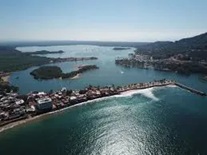
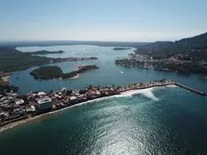
    We left Tenacatita and sailed South to Barra de Navidad. There’s a large beautiful resort and golf course here that seems to see little use. For cruisers like us, there’s a shallow lagoon (top of picture) that provides good shelter from the swell. Everywhere you go cruising is different and this place is no exception. There are a combination of factors that make this a fun place. The town is populated by LOTS of ex-pats and fun street restaurants. There aren’t large supermarkets but there are lots of tiendas and fruterias for provisioning.

    Tenacatita is only 10 NM away so it’s a handy place to take a boat for boat hull cleaning or snorkeling trips because the water is so calm and beautiful. The warm, nutrient rich waters here in Mexico grow lots of sea life on the bottom of our boat such as barnacles, algae and everything you see growing on a pier. That needs to be scraped off every few weeks. Ugh! Guess who gets to do it? Kevin (with a snorkel). Occasionally, we will hire a diver to do it but a lot of places we visit don’t have much for services.

    The lagoon anchorage here is connected to a large mangrove swamp with (apparently) crocodiles so no swimming here and we have to watch Riley closely when we take him to certain beaches. It also means we can’t make our own water. With that said, every few days we have to pull up the anchor and sail out into the ocean and float around and make water until our tanks are full. We make fresh water by using reverse osmosis. Sea water is filtered through our water maker system to remove salt and impurities and becomes fresh water. It is then pumped into our 2 water tanks and the remaining brine is returned to the sea.

    During the night local fisherman circulate through the boats in the lagoon fishing for bait for their morning long-line set. In the morning, the French Bakery boat brings pastries to the anchorage. Kids in small boats stop by during the day and sell items they have made. Need a ride to shore and don’t want to take your dinghy? Hail a water taxi on Channel 23 and one will come and pick you up at your boat for a few pesos.

    Walking down the street is striking because there are SO many Americans and Canadians. Most of these people are not staying in the resort across the bay. They seem to own homes or are staying in Airbnb’s and apartments. There are also some beautiful homes in man-made canals off the lagoon. Unlike Bucerias next to Puerto Vallarta, there doesn’t seem to be any high rise condos getting built which is a pleasant surprise. Along the Mexican coastline we’ve seen miles of mostly deserted beaches.

    Our next destination is Zihuatanejo (Z-Town) to attend the International Guitar Festival.

  • Mangrove Jungle Cruise

    📷 Placeholder — replace with original post image

    Bahia Tenacatita is a bay just North of Manzanillo Mexico. It’s an interesting place. There are a few areas to anchor and we are in the main anchorage. There’s a little cruiser community here and everyone checks-in on the VHF in the morning. There’s almost nothing here other than a beautiful beach and La Vena, a palapa restaurant that’s closed on Tuesdays and closes at sunset. Cruisers come here and stay for MONTHS. There’s no stores and no town. Barra de Navidad (with lots of services) is about 15NM away so it’s possible to do a long day trip by sailboat to pick up necessities.

    Since there is no town and only a beach its a quiet place to hang out in the sun and cool off in the clear ocean water. Clearly the cruisers here agree. The cruisers often play bocce ball in the afternoon and have bonfires on the beach at night. But, there’s also one other thing that only the adventurous are willing to do and that is the local jungle cruise. This is a self-guided tour through the mangroves. (Yes I said “Self-Guided”). Who would want to guide themselves through the jungle?

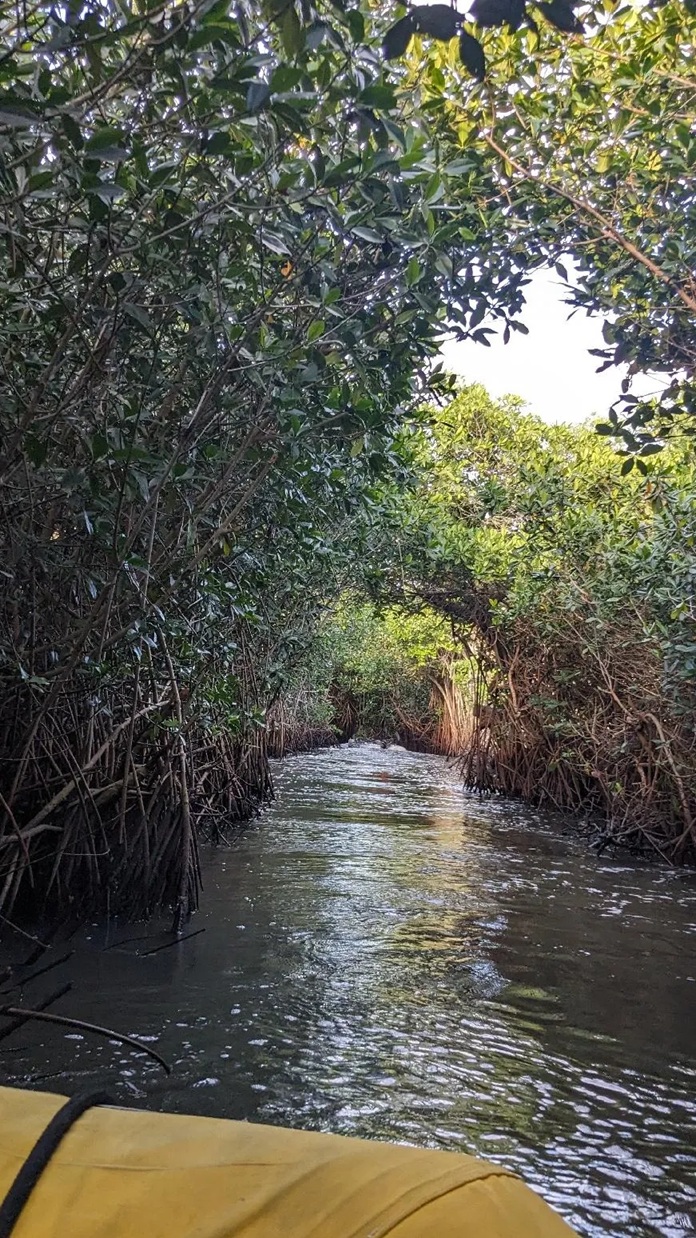
    We decided we’d give it a try and if it didn’t work out for some reason we could always turn around. We left in the morning and got the dinghy through the surf and past the sandbar at the entrance to the estuary. We’d been told that whenever there is a fork in the estuary, stay left. We set out and immediately had to get out and wade the dinghy over a sandbar but then the channel seemed to deepen and continue. We cruised, and cruised, and cruised, for at least a couple of miles. At points the mangroves completely closed over us and we were enclosed in a mangrove tunnel. We were hoping critters didn’t fall out of the trees on to our heads. Clearly the channel was maintained. We could see where roots and branches had been trimmed back. We saw lots of birds, great blue herons (dozens), snowy egrets (dozens), red crabs living in the mangrove roots, fish jumping in front of us, and even more channel ahead. We were on the lookout at all times for crocodiles. It seemed like we were going forever. Had we not been advised that there was a beautiful beach on the other side we certainly would have turned back.

    Finally, we got to a big fork with a wide channel heading off right and a MUCH narrower one heading left. We went left. At another point a panga was headed the other way much faster than us, everyone slowed down and made the one-way boat channel a two-way channel to get by each other. We had to move over so far we were being whipped in the head by the mangroves. We met one other dingy coming back and they told us it wasn’t too much further. At this point we were occasionally needing to duck our heads to stay out of low hanging mangrove branches. Finally, we came to the lagoon and could see the small beach to tie the dinghy up and walk over to the ocean beach.

    We were greeted by a string of palapa restaurants and spent the day on the beach with some cruiser friends that had made the same trip we had. All in all a very adventurous day and we made it back to the boat safely before sunset.

    Tomorrow may be a snorkeling day. There’s a rocky point here called “The Aquarium” because it’s such a good place to snorkel, swim and look at the coral reef and fish living there. This coral reef is described as the most interesting live coral reef on the West coast of Mexico. Looking forward to another exciting day.