Blog

  • We have left our home port

    πŸ“· Placeholder β€” replace with original post image

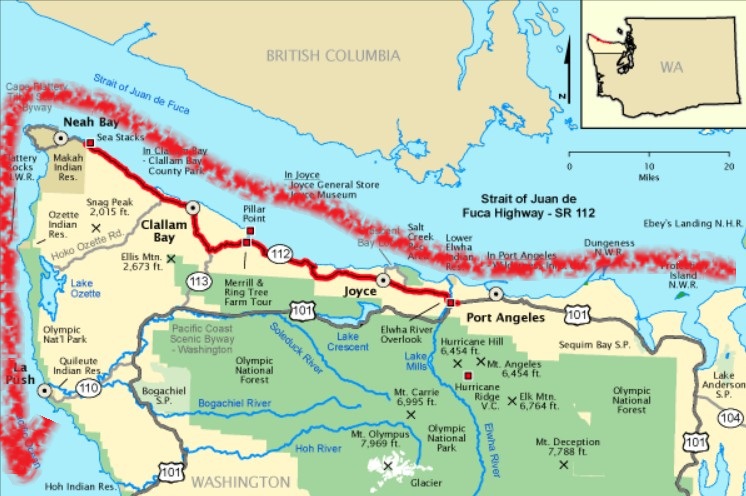
    Yesterday we released the lines on Island Summers and left our slip in Anacortes where Island Summers has been docked since we brought her up from Seattle in March 2020 when she was new. This begins our adventure. We sailed and motored 30 nautical miles to Port Townsend where we will meet our crew and do last minute provisioning. We plan to leave tomorrow morning about 5:30 am and ride the outgoing tide. Port Townsend is at the East entrance of the Strait of Juan de Fuca. We’re hoping for calm seas and light traffic in the shipping lanes. Prior to leaving I forgot to mention the many car loads of provisions that we have put on this boat. We have enough food to open a restaurant πŸ™‚ Nobody is going to go hungry!

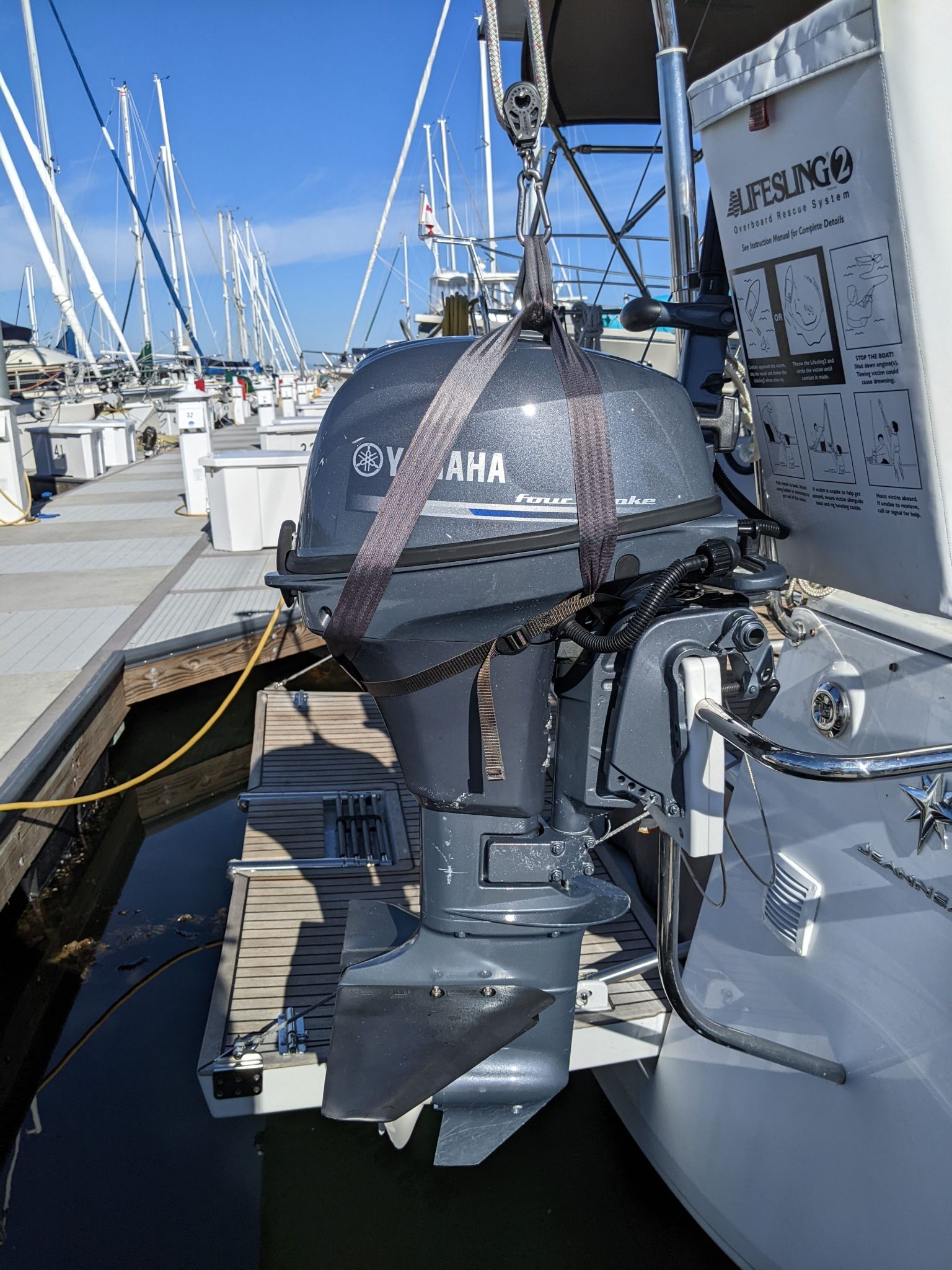
  • After waiting a year for the new outboard it finally arrived.

    The old outboard that we sometimes wish we still had. It was a little lighter than the new one.

    We decided our dinghy was a little under powered with the Yamaha 9.9 when fully loaded and the manual start was hard for me to pull. So we added a new outboard to “the list”. We settled on a Honda 15 HP short shaft with auto start. Unfortunately, none could be found anywhere because of the supply chain issues so we took our chances and ordered it in 2021. We are 3 weeks from departure and yesterday Tom & Jerry’s in Anacortes called and said it had arrived. Whoo hoo! We had given up hope since we had waited so long. We picked it up and wow, what a beast! It is much larger and heavier than the previous outboard. It’s going to make our dinghy fly!

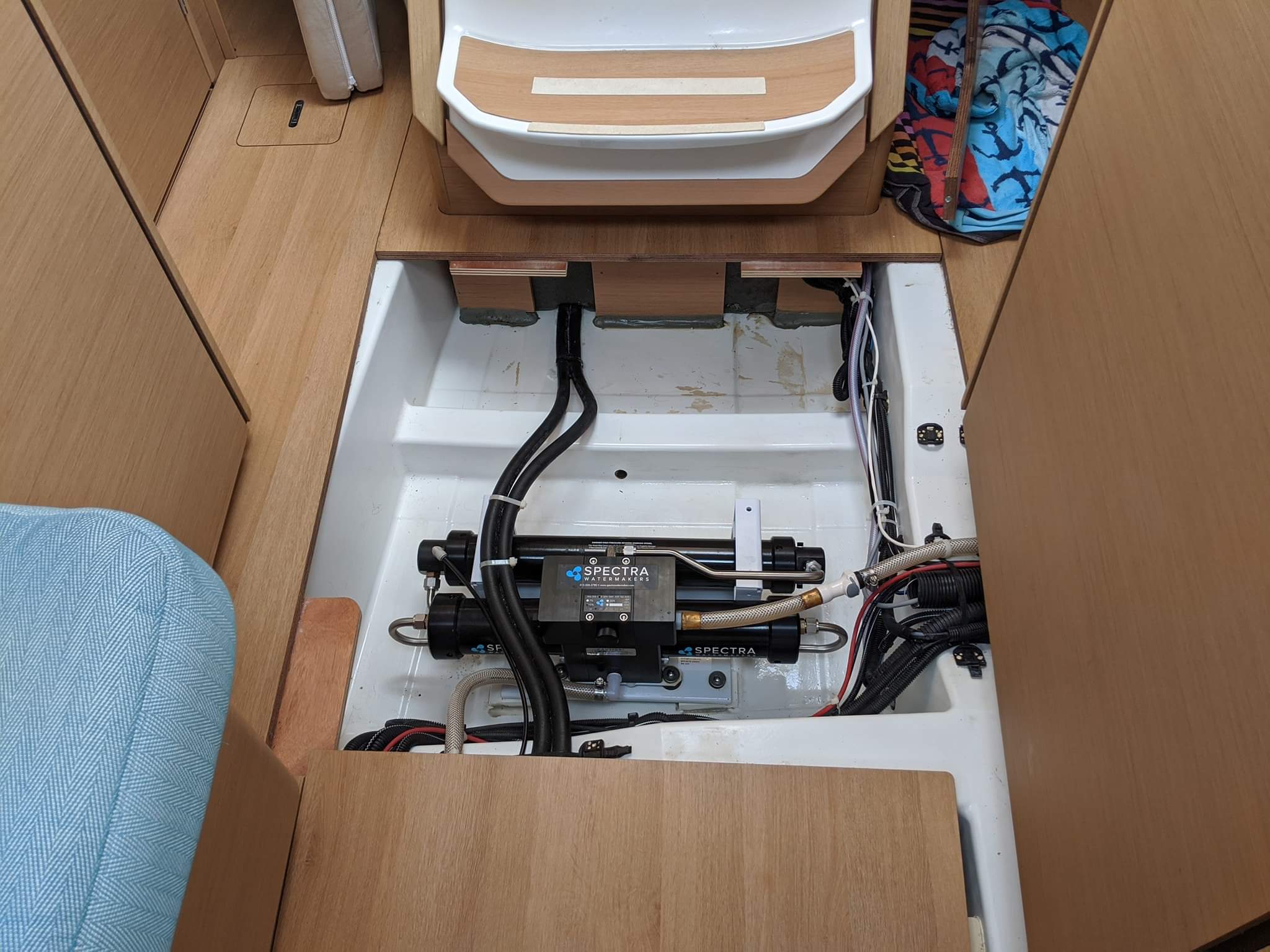
  • Watermaker is installed!

    πŸ“· Placeholder β€” replace with original post image

    After about 2 weeks and a large box of parts Kevin has the water maker installed and working. The biggest challenge was finding places to put all the parts.(he said he had to do lots of boat yoga to get all the parts into tight spaces). It was inspected by the dealer yesterday and Kevin’s installation and water quality passed the test!

    We chose the Spectra VT-150C based on our water usage. It makes 6.5 gallons of fresh water an hour by using reverse osmosis.

  • Extra Comforts

    πŸ“· Placeholder β€” replace with original post image

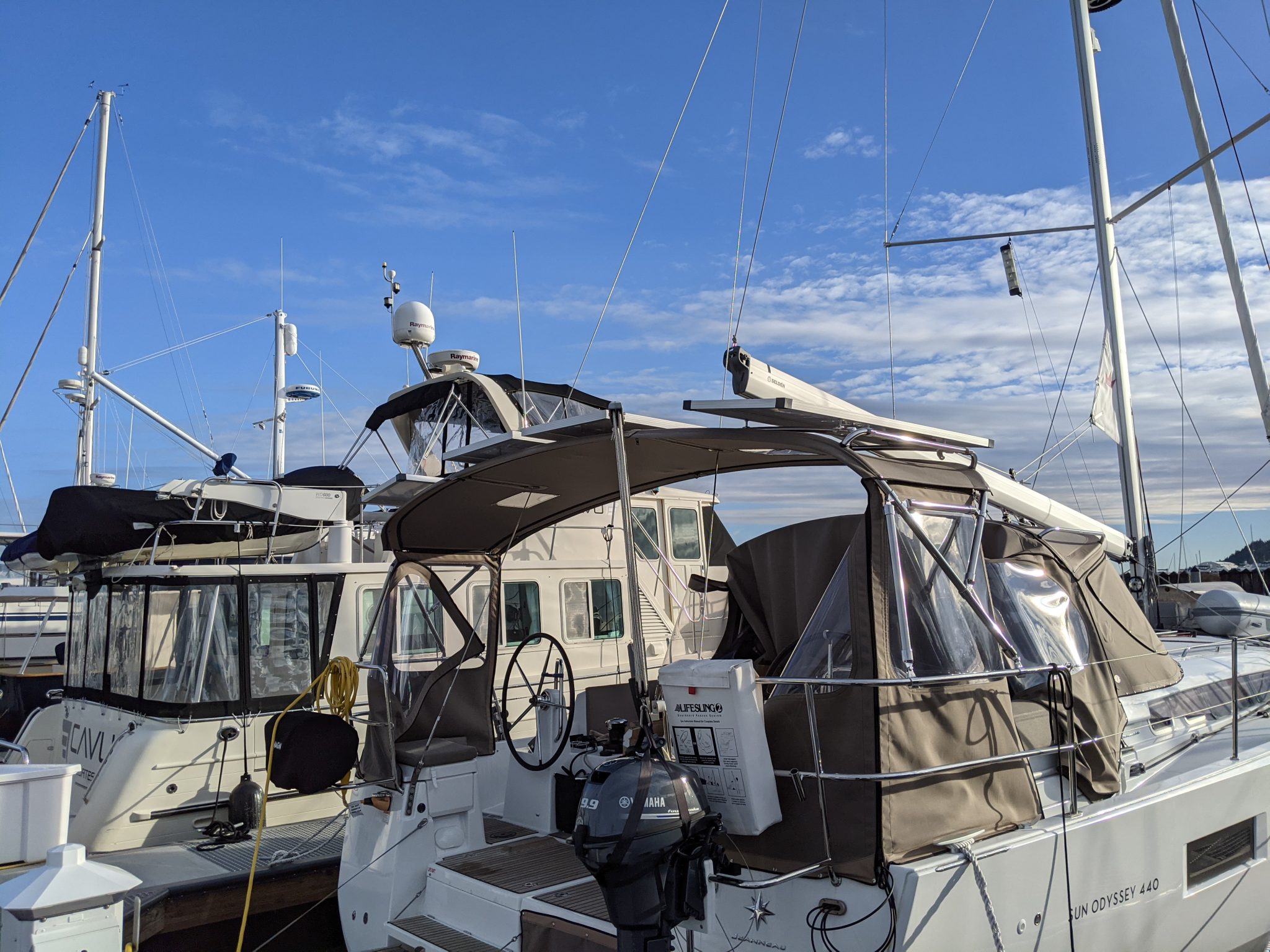
    Solar panels (700 watts – runs the espresso machine, washing machine, blow dryer, blender, tv and electronic keyboard . . . but not all at once).

    Spectra Watermaker (converts sea water to drinking water by way of reverse osmosis)

    Victron Inverter (converts direct current (DC) electricity, which is what a solar panel generates to alternating (AC) electricity.

  • Navigation

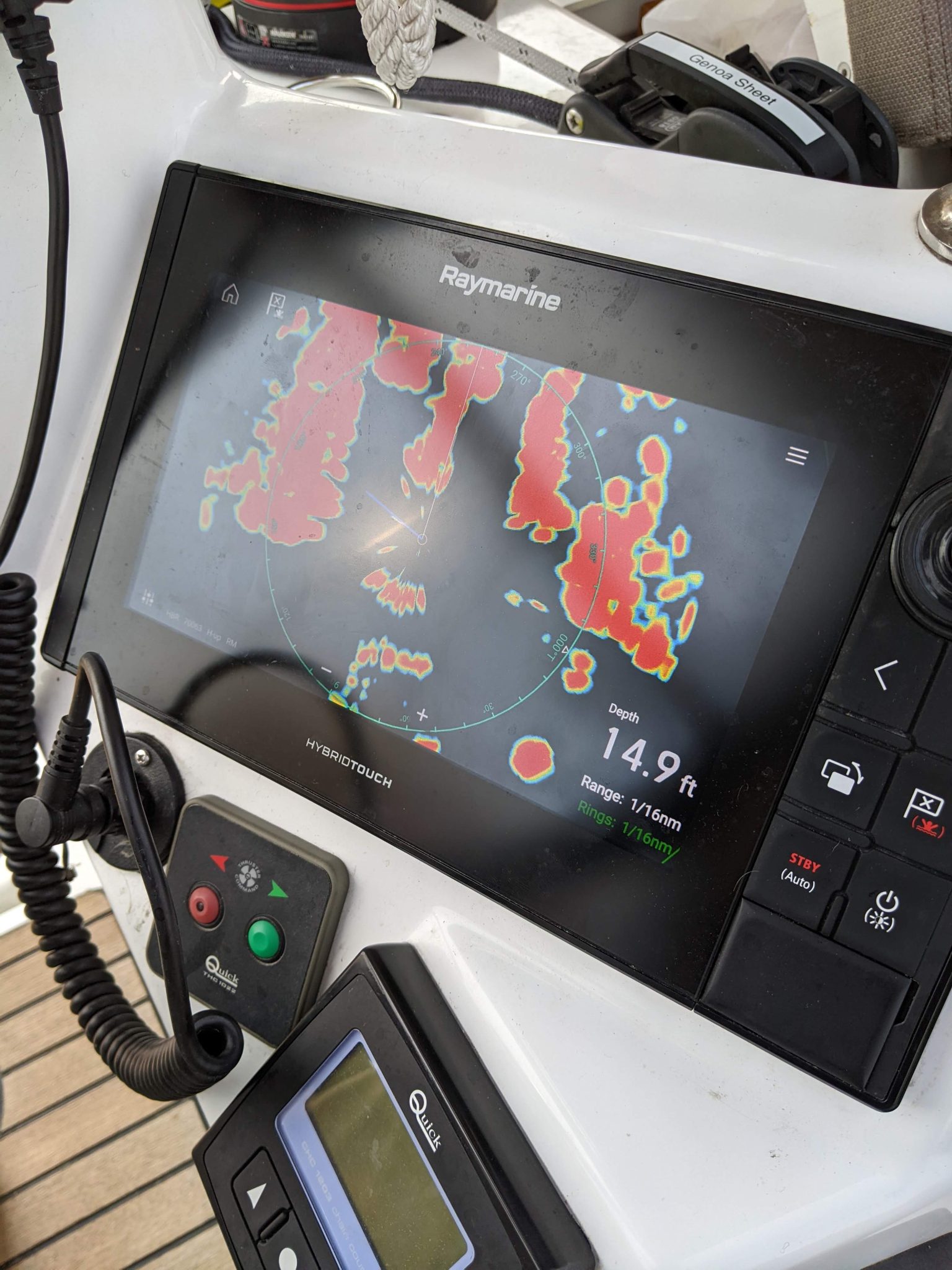
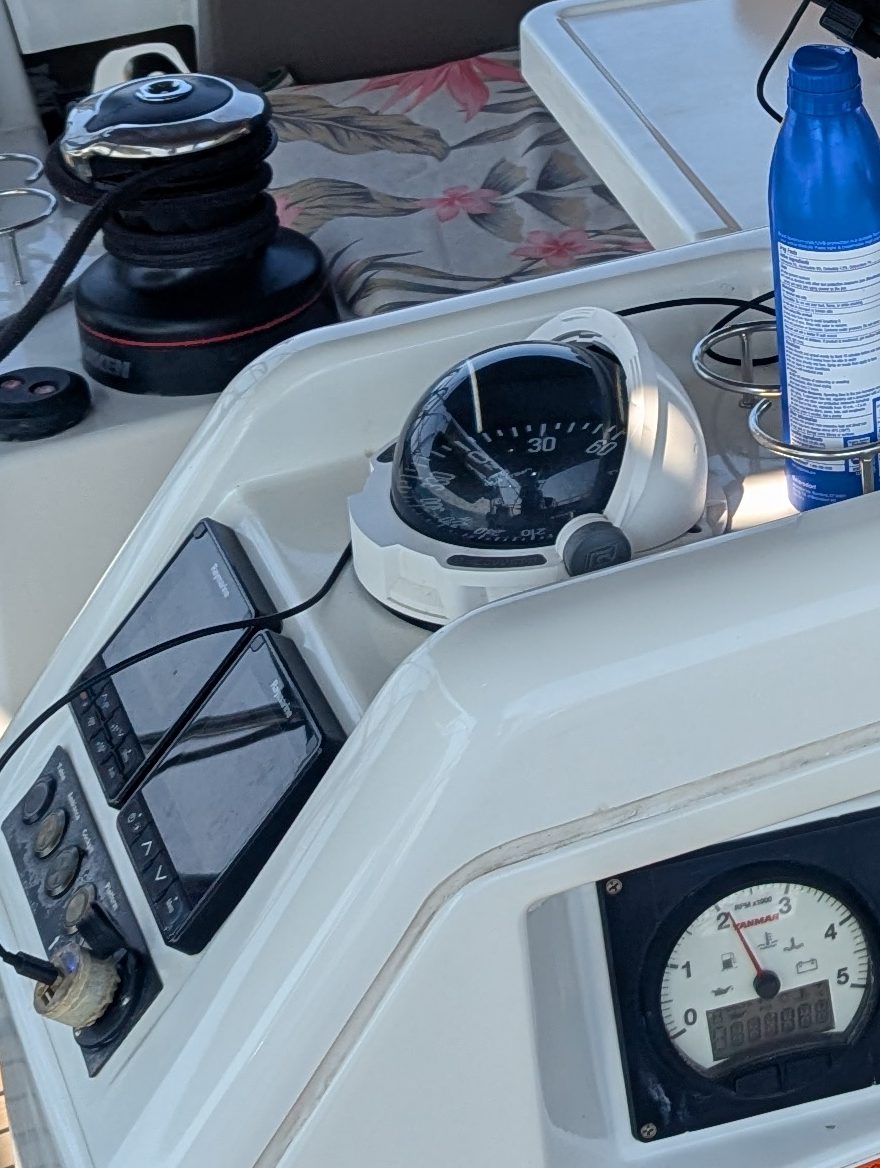
    A view of nearby weather on the nav display

    Tablet with Navionics software (electronic navigation charts of marine areas providing sailors around the world with detailed cartography).

    Sextant (instrument for determining the angle between the horizon and a celestial body such as the Sun, the Moon, or a star, used in celestial navigation to determine latitude and longitude).

    Iridium Go (a small but powerful satellite communication device allowing multiple users to connect and use voice, text messaging, map and weather data as well as SOS and GPS navigation).

    Weather Router (we are using Predict Wind that allows us to use different weather models).

  • Communication

    Communication plays a major role whether it be between crew or between two ships. Ambiguity and confusion are the primary causes of accidents that happen onboard vessels.

    VHF radios both fixed and held-held with AIS (Automated Identification System and MMSI (Maritime Mobile Service Identity)

    Iridium Go – provides global voice calling and text messaging solutions for your smart device

    Starlink – enables video calls, online gaming, streaming, and other high data rate activities

  • Emergency Safety

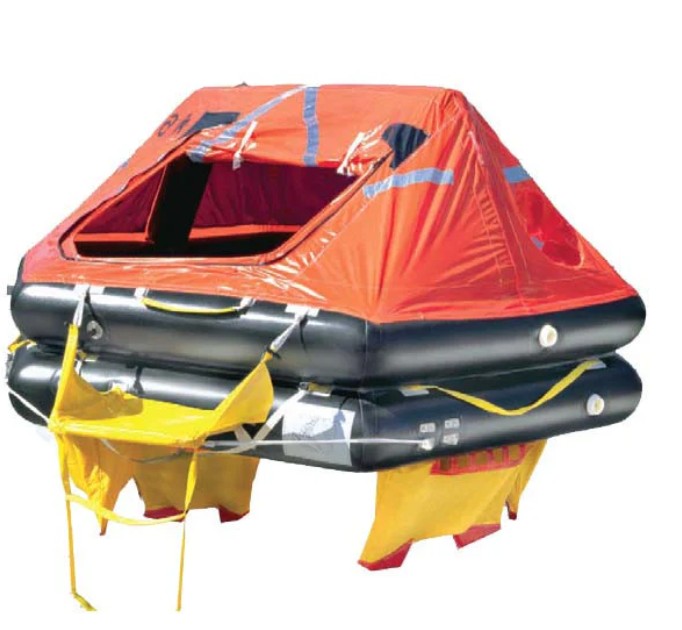
    Typical liferaft

    Nobody ever wants to think about abandoning their ship in the middle of the ocean but what if something catastrophic happened and you had no choice? We spent an afternoon visiting Marine Safety Services in Seattle, WA. They explained everything we needed to be safe. We purchased a 6-person life raft stocked with important essentials. We are supplementing it with a ditch bag containing dehydrated food, foil-packed water, tools, emergency beacons, etc. We also needed a well-equipped first-aid kit. Our primary care physician went over our list and provided us with a few more prescription meds in the event we pick up travelers flu or skin infections along and most importantly anti-nausea meds and scopolamine patches which will be helpful in rough seas.

    Jack-Lines – long lines made of high-strength, low-stretch webbing-that run along the deck, providing a way for sailors to clip in with their safety tethers and still move about.

    Ditch Kit (abandon ship bag – contains food, water, flares, emergency beacons, tools, rope, solar blankets, first-aid supplies and important documents)

    First-Aid Kit (offshore) This kit is complete with zip surgical skin closures and a skin stapler for large cuts requiring stitches.

  • How do you prepare to sail offshore?

    πŸ“· Placeholder β€” replace with original post image

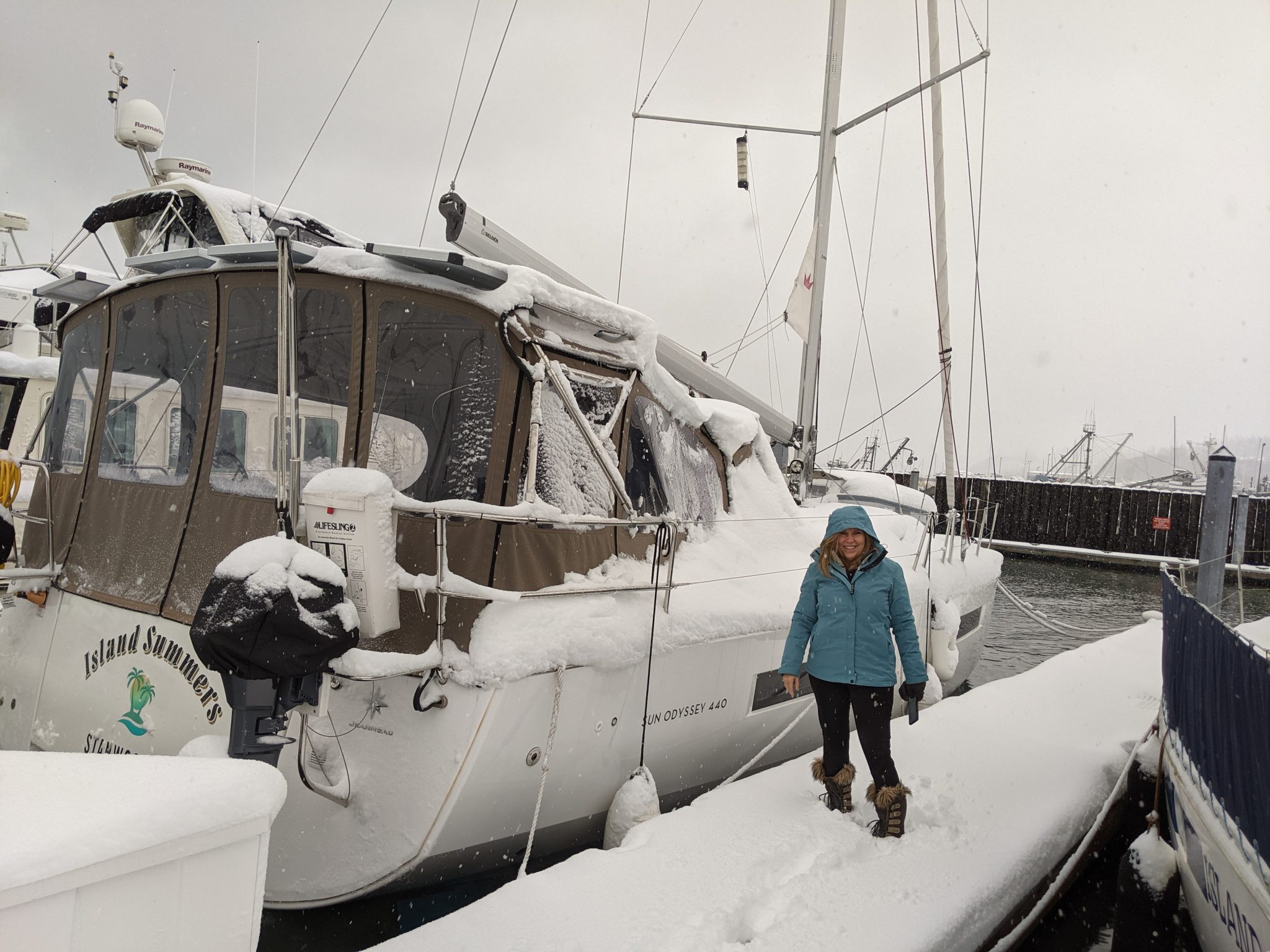
    For us, we first needed to learn to sail. Once we finished our lessons we quickly realized we needed a sailboat so we could practice sailing. After looking at several sailboats, we settled on a new 2019 Jeanneau Sun Odyssey 440. We spent a few years sailing locally in the San Juan Islands and then decided it was time to retire from our daily jobs and explore and seek out new adventures. We joined the Coho Ho Ho Sailing group and attended their weekly meetings. We have spent 2 years preparing for this trip. The list of items needed seemed endless. Do we need all this stuff? What could possibly go wrong? Well, anything can go wrong at any time. When you are offshore you are the skipper, crew, galley cook, mechanic, doctor, fire fighter, emergency response team, and maybe even the seamstress if a sail blows out and needs repair. How many spare parts do we need and for what systems? Okay, you get the point. We have a lot of stuff to stow in a 44’ boat. Since a sailboat doesn’t necessarily have square storage spaces, items are stored sideways, upside down, etc. You also have to position them so that don’t rattle while underway. Now we need to figure out a logical method for finding all of this stuff. After reading many blogs from experienced sailors we decided to make a map of the storage areas in our boat and number the storage compartments. Next we made an electronic list of items in each storage area and stored the list on Google docs in the event the laptop gets damaged. (Note: Laptops rust fairly quickly in the tropics.) We’ll try this system and see if it works for us. We both need to remember to put things back where we took them out. That will be the biggest challenge!